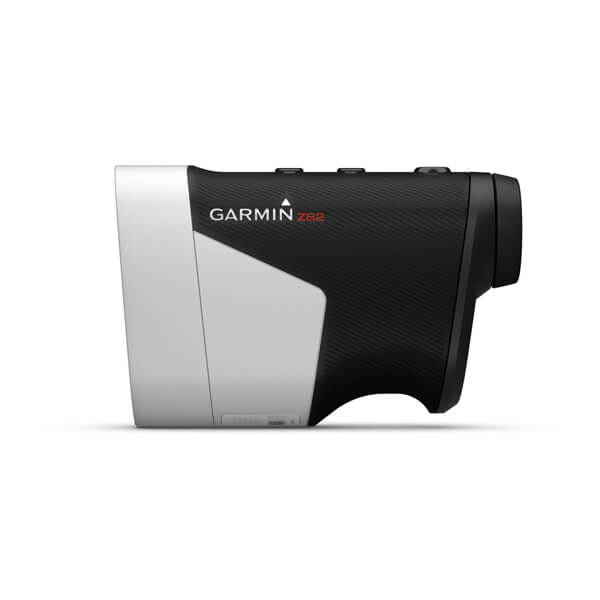
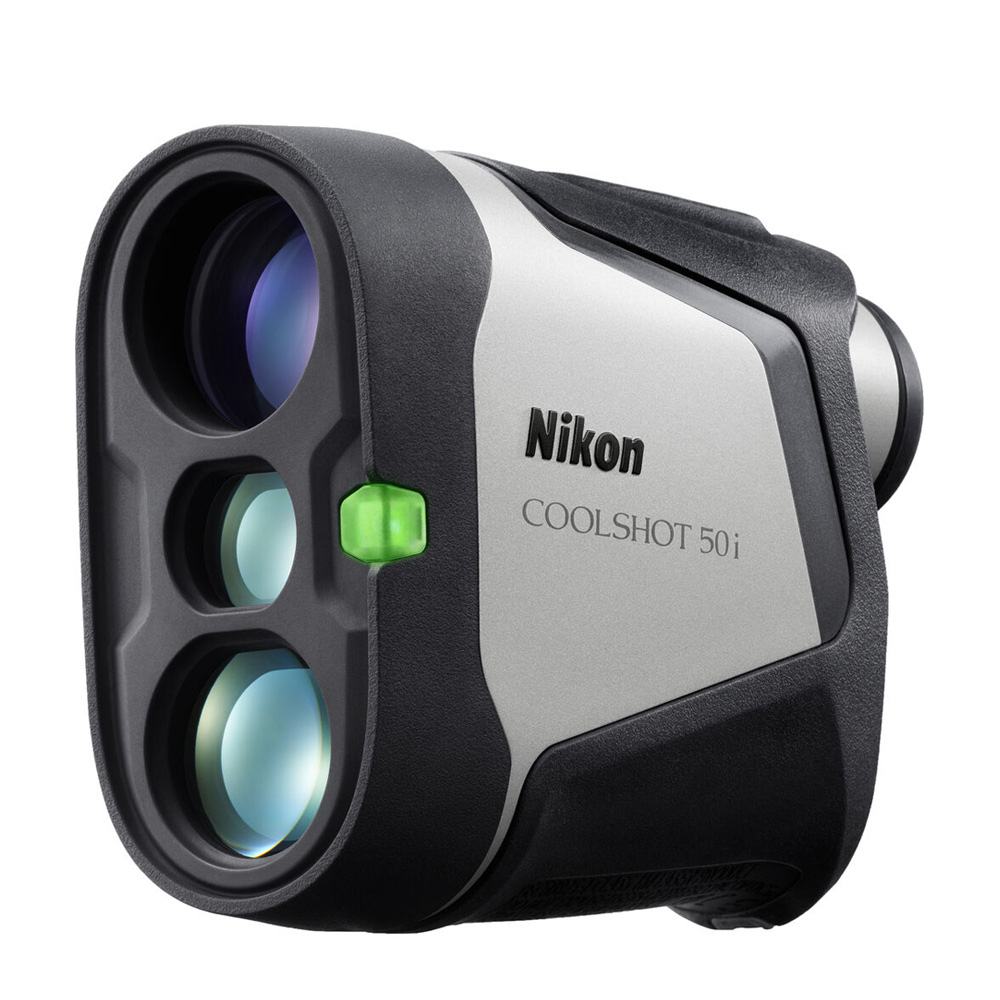
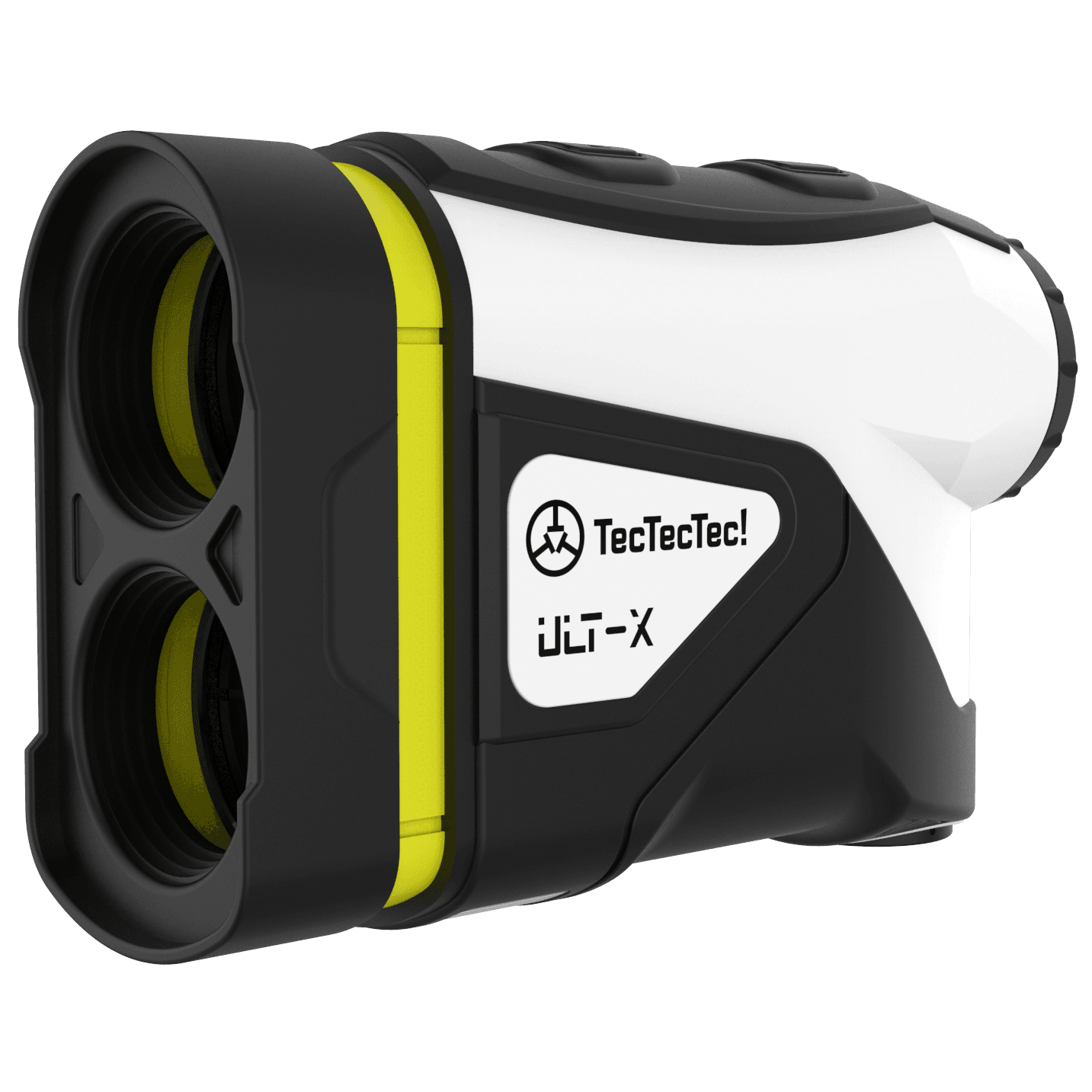
Get slope, with a switch. Slope adjusts the yardage for uphill and downhill shots, and it is the single most useful feature for scoring. The catch is that slope is not legal in tournament play. The fix every good rangefinder now offers is a physical switch that turns slope off, so you get help on a casual round and stay legal in a competition. Buy one with the switch.
Pin lock with vibration is the feature you feel. A rangefinder that buzzes when it locks the flag, and ignores the trees behind it, is faster and more confident than one that makes you second-guess the number. Every pick above has it, because at this point it is the baseline.
Laser, GPS, or both? A laser gives you the exact number to whatever you point at, which is why it is the standard. A GPS watch or handheld shows the whole hole at a glance and never needs a steady hand. The hybrid units do both, at a price. Most golfers are best served by a good laser, and a GPS watch as a cheap second layer if they want it.
Magnification and display. Six-times magnification is plenty for golf. What matters more is a bright, high-contrast display you can read against trees in flat morning light. If you play early or late, favor the units known for optics, like the Nikon and the Bushnells.
Prices shift often, so we send you to the live price rather than quote a stale one. Check the current number before you buy.